





By: Josh Linus Ng’ang’a
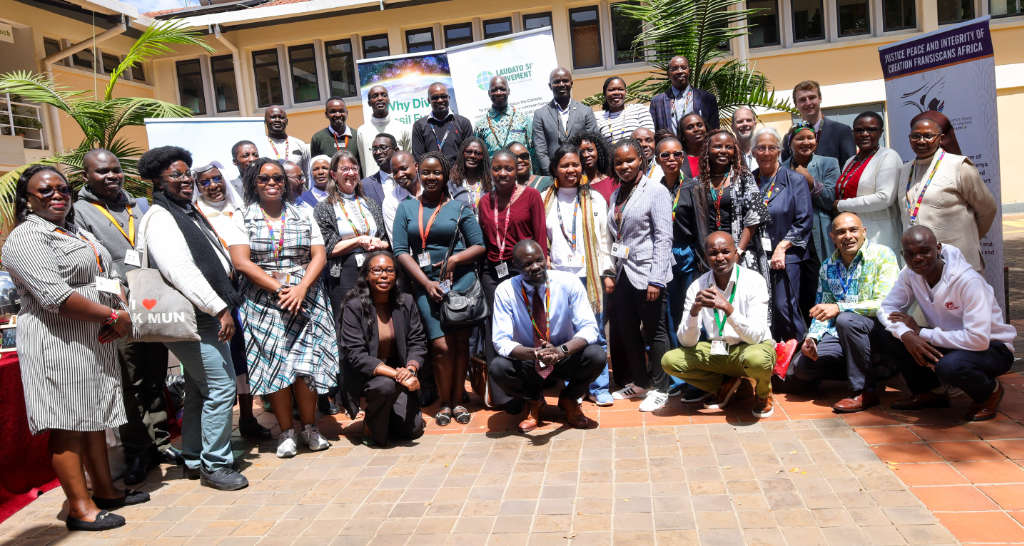
UNEA7 was held in Nairobi, Kenya, from 8 to 12 December 2025 at the United Nations Environment Programme (UNEP) headquarters, on the theme “Advancing sustainable solutions for a resilient planet”.
Laudato Si’ Movement Africa held an offsite side event that brought faith, justice, and the energy transition into the same conversation. Held at ICRAF on 9 December 2025, the gathering connected the official UNEA-7 theme of advancing sustainable solutions for a resilient planet with the lived realities of African communities navigating energy poverty, climate impacts, and uneven development pathways.
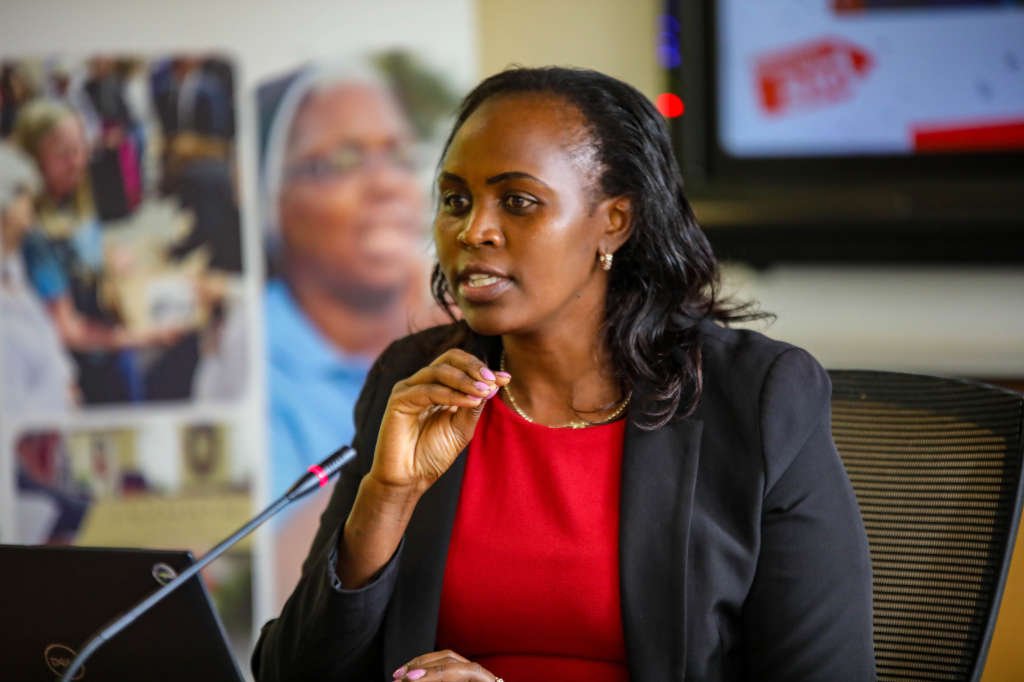
The session opened in prayer, grounding the discussion in faith before moving into a keynote address by Jacqueline Kimeu of Christian Aid, who painted a sobering picture of the global climate landscape. She acknowledged the strain on multilateral systems, the slow pace of progress after COP30, and the stark imbalance Africa continues to face. “Africa holds nearly 39% of global renewable resources and 30% of critical minerals,” she noted, “yet 600 million people still lack access to electricity, and the continent receives just 2% of global climate finance.” For her, renewable energy is not a luxury or future aspiration but the foundation of inclusive development, capable of powering agriculture, creating jobs, and restoring dignity. She posed a question that lingered throughout the room: “What energy are we using to power the Church?”
The panel discussion that followed moved the conversation from global statistics to community realities. Sr Mary Sebastian shared a moving example from Isinya, where access to clean water, enabled by local action, helped restore hope and even prevent suicides. Her reflection challenged participants to ask whether the energy transition is truly compassionate and inclusive, or merely technical. Fr Ian Daquin Iyan expanded this further, describing energy as a social reality tied directly to human survival and moral responsibility. He emphasised that the Church’s strength lies in its ability to build trust, shape values, and mobilise people towards collective ecological action that does not destroy the very environment it depends on.
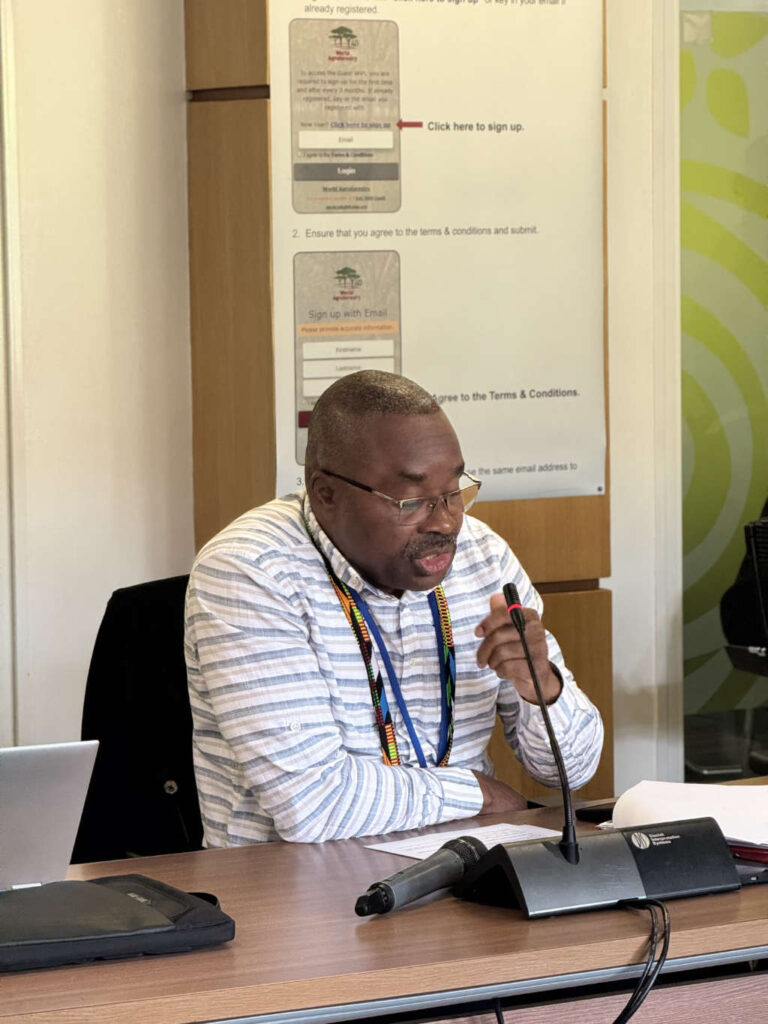
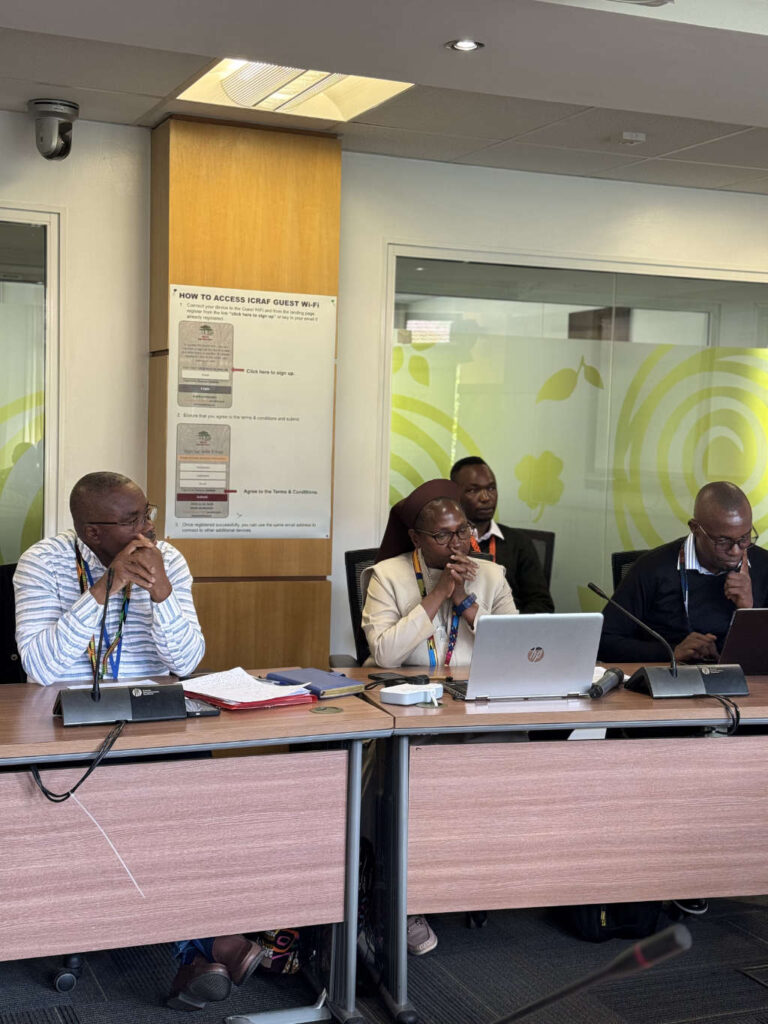
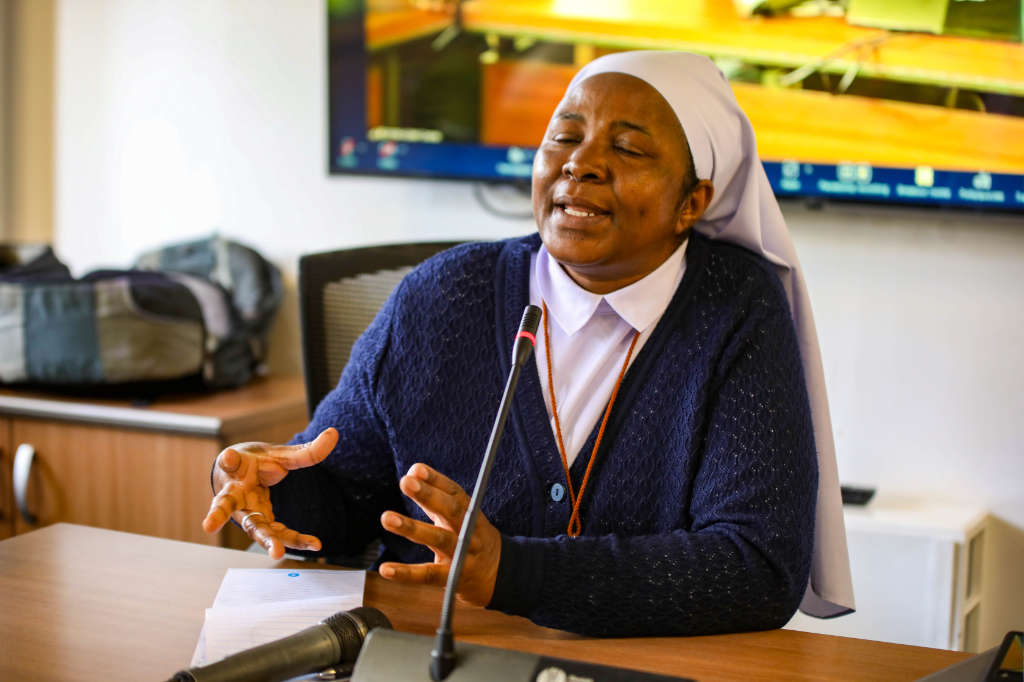
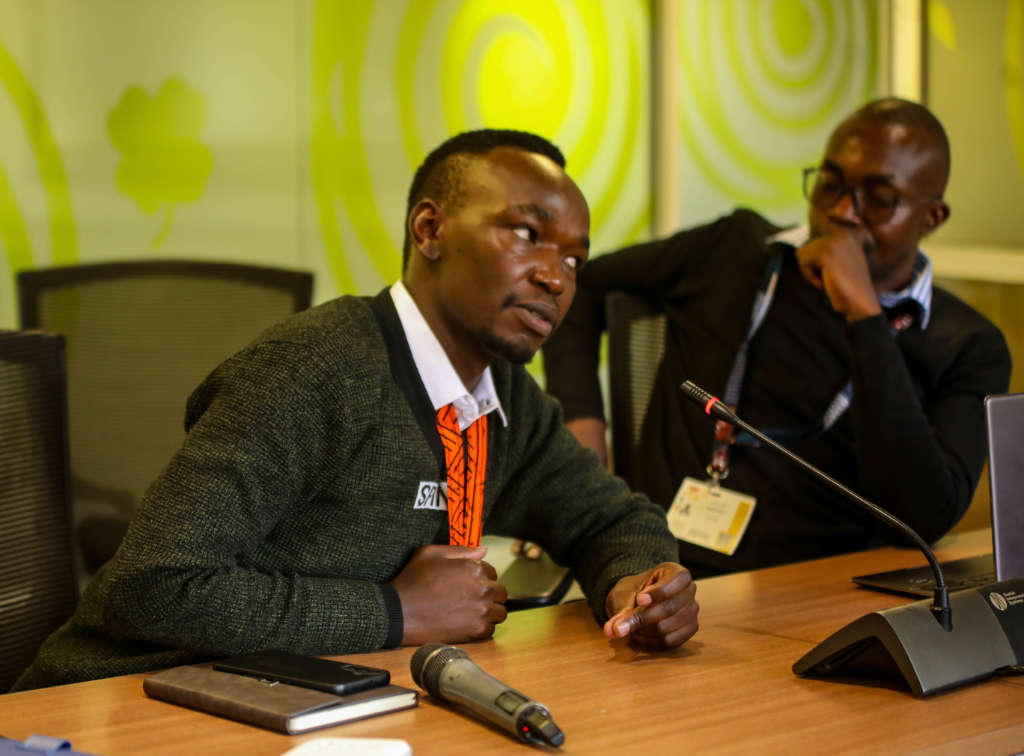
Dr Marie Jeanne Sambou from Senegal Chapter reminded participants that compassion must always lead to action, stressing that the Laudato Si’ Movement offers a practical pathway for translating moral conviction into real community impact. Rev Rachael Mash pushed back against narratives of constant failure, urging a shift towards momentum and possibility. She argued that Nationally Determined Contributions alone are insufficient and called for People’s Driven Contributions, or PDCs, as a necessary complement. “Faith without action is dead,” she said, proposing tangible steps such as divesting from fossil-fuel-funding banks and making renewable energy choices part of everyday faith life. She also cautioned against new forms of extractivism, including deep-sea mining, that risk repeating colonial patterns under the banner of transition.
Ashley Kitisya, Africa Programs Manager at Laudato Si Movement reinforced this call, noting the frustration many felt after COP30’s lack of commitment to a fossil-fuel phase-out, while also pointing to hopeful signs from countries developing independent roadmaps. She described PDCs as a moral response rooted in community, self, and collective responsibility. She insisted that equitable access to energy in Africa requires an organised pushback against the status quo. Azmaira Alibhai closed the panel by encouraging participants to hold negotiators to account and to use values-based language to drive grassroots impact beyond UNEA-7 and towards UNEA-8.
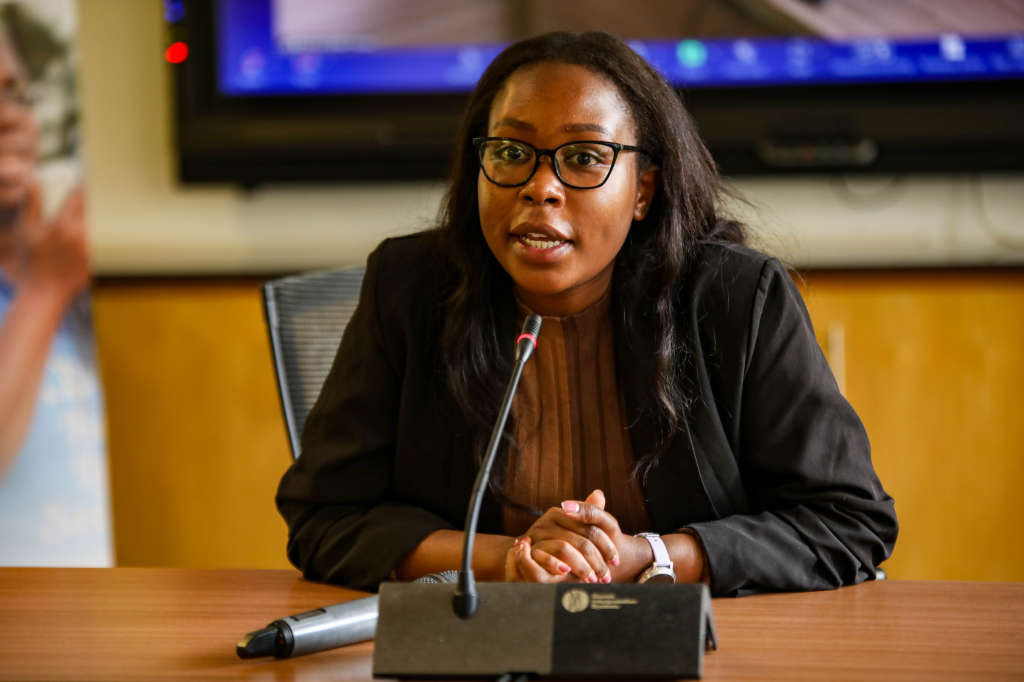
As the conversation drew to a close, a clear set of learnings emerged. A just energy transition in Africa cannot be imposed from the top down; it must be built from the ground up, with communities, faith institutions, and civil society shaping both the vision and the process. Financing remains a critical barrier, but so too does narrative. Shifting from dependency-driven aid models to equitable trade, from despair to momentum, and from abstract commitments to lived action is essential. The Church, with its reach, moral authority, and trusted presence, plays a unique role in bridging these gaps. Above all, the event affirmed that People’s Driven Contributions offer a powerful way forward, transforming individual choices into collective impact and reminding the world that justice, dignity, and care for creation must sit at the heart of Africa’s energy future.