




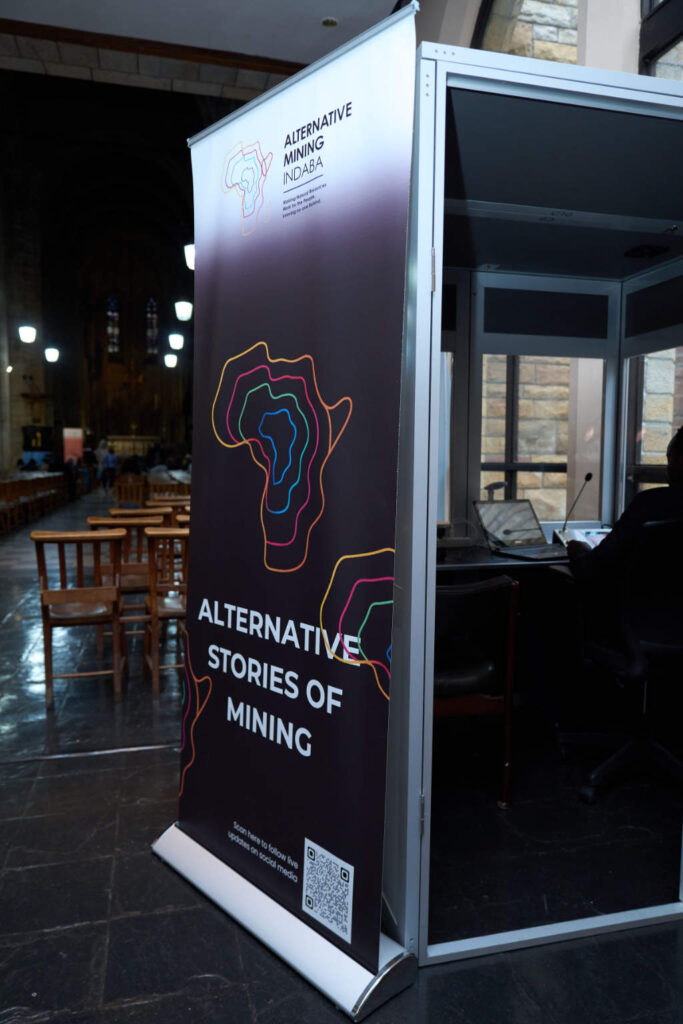
The Alternative Mining Indaba (AMI) 2026 concluded in Cape Town on 11 February after three days of powerful reflection, dialogue, and mobilisation under the theme, “Alternative Stories of Mining – United in Solidarity with the Mining-Affected Communities across the Continent.” Bringing together community representatives, civil society organisations, faith-based actors, trade unions, researchers, and advocates from across Africa, the gathering reaffirmed its role as a counterweight to extractivism and a defender of people-centred resource governance.
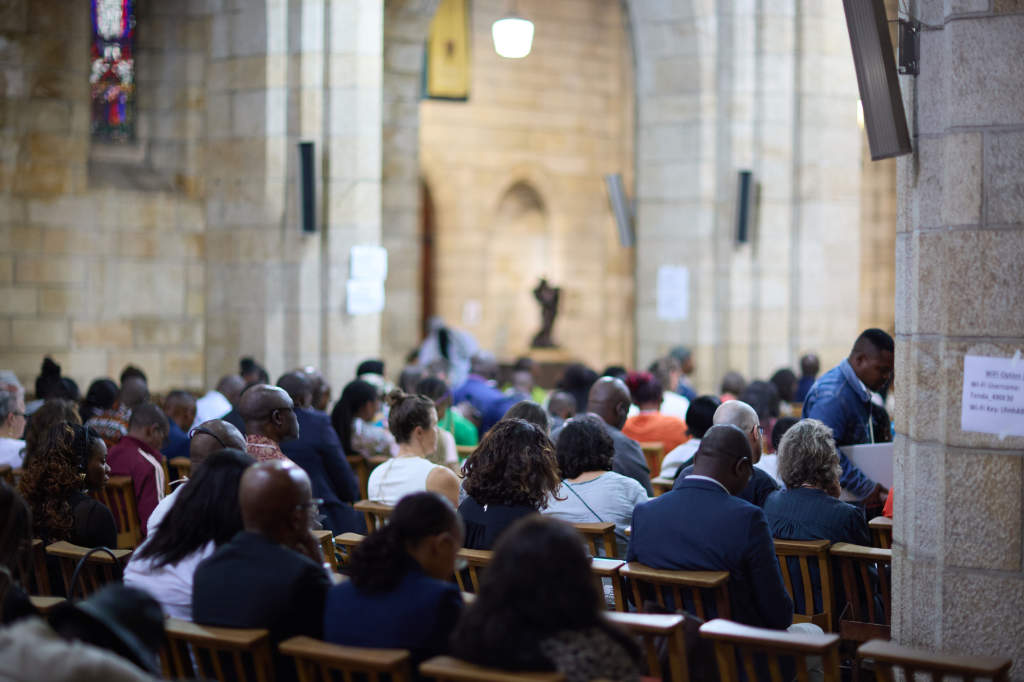
Since its inception, AMI has insisted that Africa’s mineral wealth must serve the public good, not private greed. This year, mining-affected communities took centre stage, reclaiming narrative power through lived experience, memory, and dignity. Delegates reflected on regional milestones, including national AMIs in Malawi, Zambia, and Zimbabwe, and the 2025 Luanda conference on human rights and extractive industries, which strengthened grassroots advocacy across the continent.
Participants raised serious concerns about the continued expansion of extractivism, which drives land dispossession, forced evictions, ecological destruction, and cultural erasure. The surge in global demand for critical minerals, often framed as part of the “green transition,” risks repeating patterns of exploitation if justice, transparency, and community consent are not central to decision-making. Many warned that geopolitical competition for Africa’s resources could deepen inequalities and reinforce alliances between political elites and corporations at the expense of local communities.
One of the attendees of the Alternative Mining Indaba was Dr Tinashe Gumbo who is the programme executive for Ecological justice at AACC – CETA who had this to say about the AMI: “ One of the most significant moments for me at the Alternative Mining Indaba this year was seeing faith actors reclaim their space within the movement. It is important to remember that the Alternative Mining Indaba was initiated by faith actors nearly sixteen years ago. It was created as a platform for ordinary people, especially communities affected by mining, to share their stories and present alternatives. It was always intended as a counter-movement to the official Mining Indaba, where corporations and governments meet.
Over the years, I have been involved in this space, including leading faith actors in Zimbabwe and across Southern Africa. However, I began to notice that faith voices were gradually losing influence within the Indaba. Other civic actors were increasingly shaping the agenda, methodology, and overall direction. This became a concern.
As we prepared for the 2026 Indaba in Cape Town, faith actors agreed that we needed to reclaim this space and recommit to its founding vision. Before the main Indaba began on 9 February, we held a closed-door reflection as faith leaders. We asked ourselves difficult questions: What role do we still play? What were the original objectives of the Indaba? Where are we now? And how do we restore our prophetic presence?
That reflection was a turning point. We realised we had indeed drifted and needed to re-energise and recommit ourselves. When we joined the main Indaba, our presence was visible and intentional. Faith actors engaged actively in discussions on structure, content, methodology, and key messages directed at mining companies and governments.
We also advocated strongly for governance reforms to formally include faith actors in the leadership of the Alternative Mining Indaba. We hope that at the upcoming General Assembly in May, this commitment will be reflected in practice.
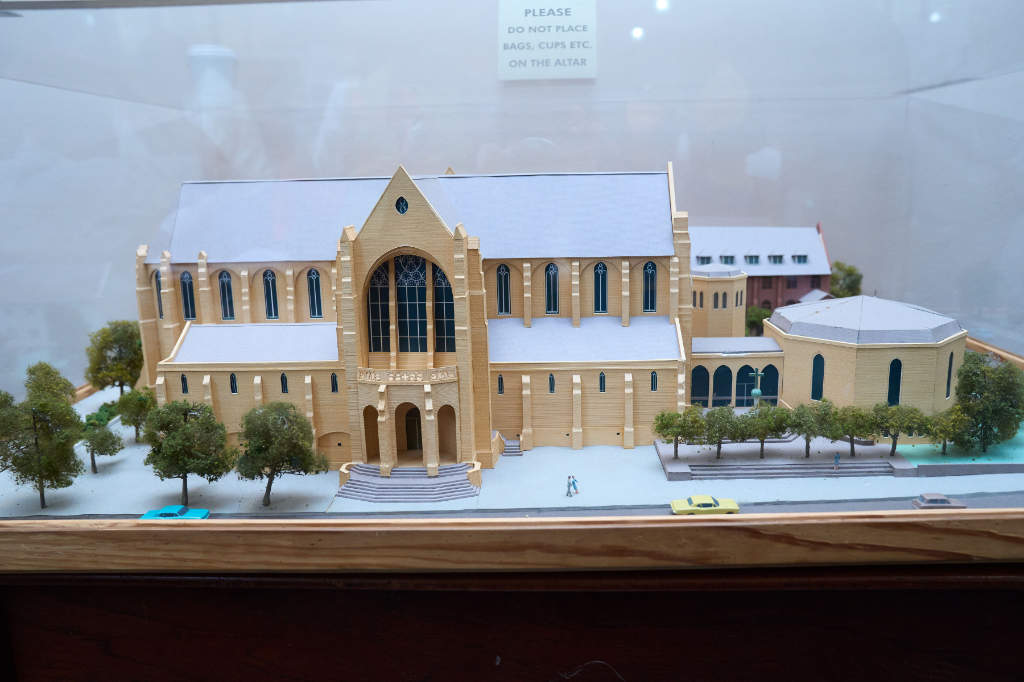
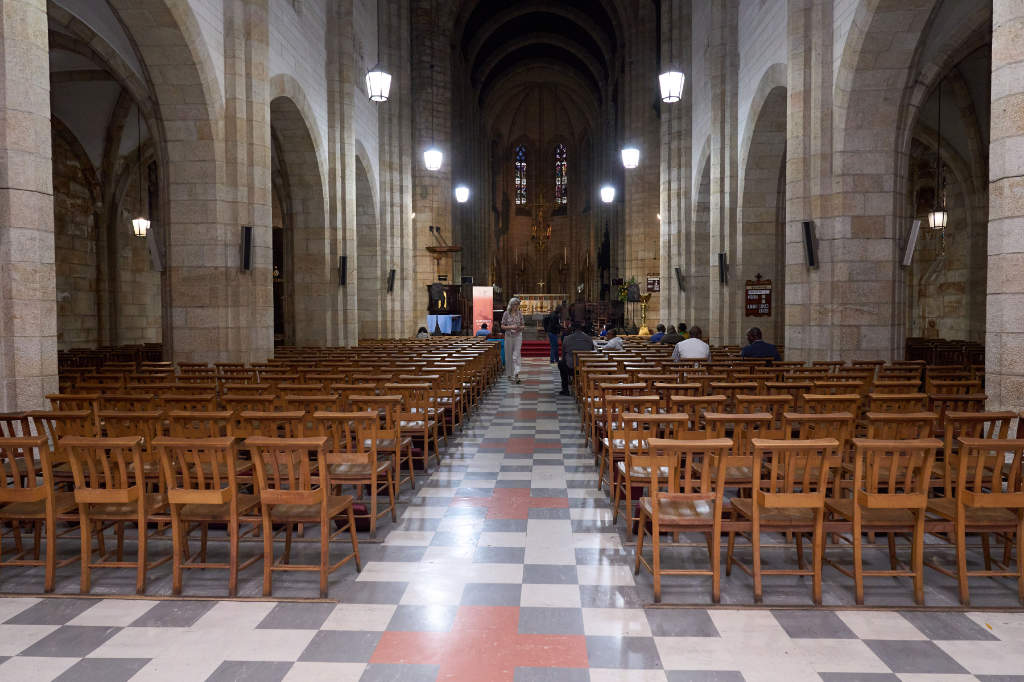
Another meaningful development was returning the Indaba to a faith space. This year, the gathering was hosted at St George’s Cathedral in Cape Town. Bringing it back to a church setting symbolised a return to its roots and reinforced its identity as a people-centred and faith-grounded movement.
Faith actors left the Indaba recommitted not only to playing an active continental role, but also to leading national-level Alternative Mining Indabas in their own countries. We agreed to strengthen coordination between gatherings, regularly connecting to share experiences and strategies on mining justice.
For me, this year’s Indaba was about renewal, reclaiming our voice, strengthening governance, and restoring the moral foundation of a movement that exists to defend communities, dignity, and justice.”
In response, AMI participants delivered a memorandum to the South African government during a peaceful march in Cape Town. The declaration calls for enforceable transparency in mining contracts, disclosure of beneficial ownership and revenue flows, strengthened governance systems, accessible grievance mechanisms, and the protection of labour and environmental rights. It urges that mining revenues be used to fund public services, economic diversification, and a just energy transition that benefits communities rather than displaces them.
Faith-based actors at AMI are committed to playing a prophetic role by holding governments, businesses, and financiers morally accountable, and by integrating mining justice into theological reflection and pastoral practice. Communities pledged to strengthen cross-border solidarity, defend ancestral lands, document lived experiences, and explore community ownership models in mining and energy enterprises.
“The powerful grassroots led Alternate Mining Indaba 2026, to the “Investing in African Mining Indaba”, held a counter declaration that again as they did in 2025, calls for radical change of governance in South Africa to manage its 6000+ abandoned mining sites. This year there is a stronger unity in Solidarity with Mining- Affected Communities across the continent.
Protest action that took place in Cape Town on 11 February demanded transparency, codifying community value into law, mandatory consultation with affected communities with recognition of new projects, calling mining houses to attend to the insecure and dangerous environment where informal mining is taking place. The formalisation, not criminalisation call will address the safety of all the environments where this informal mining is taking place and ensure the safety of the areas rather than the current ineffective and punitive action from the South African Police force.” – Berni Crewe-Brown, Laudato Si’ Movement South Africa Chapter
For Laudato Si’ Movement Africa, the Alternative Mining Indaba is especially significant. Our work on fossil fuel resistance and a just renewable energy transition is directly connected to the realities faced by mining-affected communities. The shift away from fossil fuels must not create new forms of extraction that harm people and ecosystems under the banner of climate solutions. Integral ecology demands that both the expansion of fossil fuels and unjust mining practices be challenged. Africa’s energy future must be built on justice, community participation, and respect for the dignity of people and the Earth.
As the Indaba closed, one message stood clear: Africa cannot afford another century of dispossession disguised as development. Mining justice is inseparable from climate justice. Africa’s mineral wealth must protect heritage, uphold dignity, and serve present and future generations.