





EVANS OTIELI – Laudato Si Kenya Chapter Coordination Team member
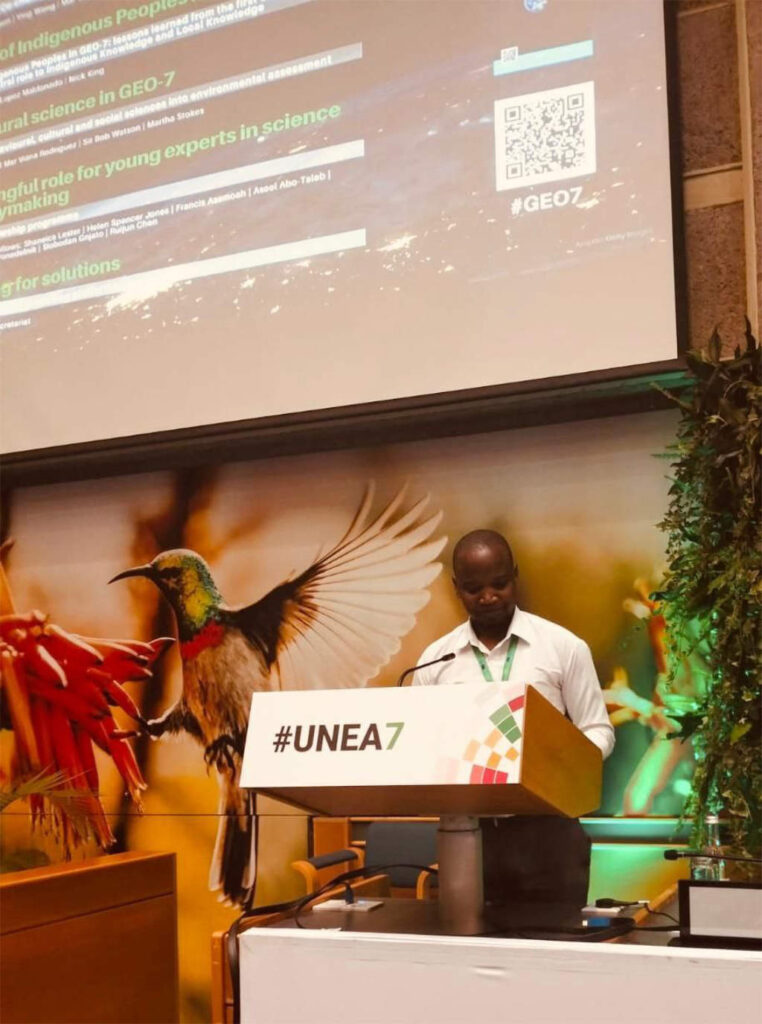
During the Seventh United Nations Environment Assembly (UNEA-7), faith-based actors from across Africa gathered with a shared purpose: to ensure that moral, ethical, and justice-centred perspectives were firmly present in global environmental conversations. The Laudato Si’ Movement (LSM) Africa Secretariat played an active role throughout the Assembly by convening, supporting, and amplifying faith voices, reaffirming the Church’s commitment to care for our common home and to stand in solidarity with communities most affected by the climate crisis.
One of the key moments of engagement was a morning breakfast meeting, intentionally organised as a space for African faith groups and civil society actors to connect, reflect, and align on shared priorities ahead of the formal UNEA sessions. This gathering enabled meaningful relationship-building and coordination, creating room for collective discernment on how faith communities can more effectively contribute to environmental governance processes. It reinforced the importance of presenting a united African faith voice within global decision-making spaces, particularly at a time when the continent continues to bear the brunt of environmental harm.
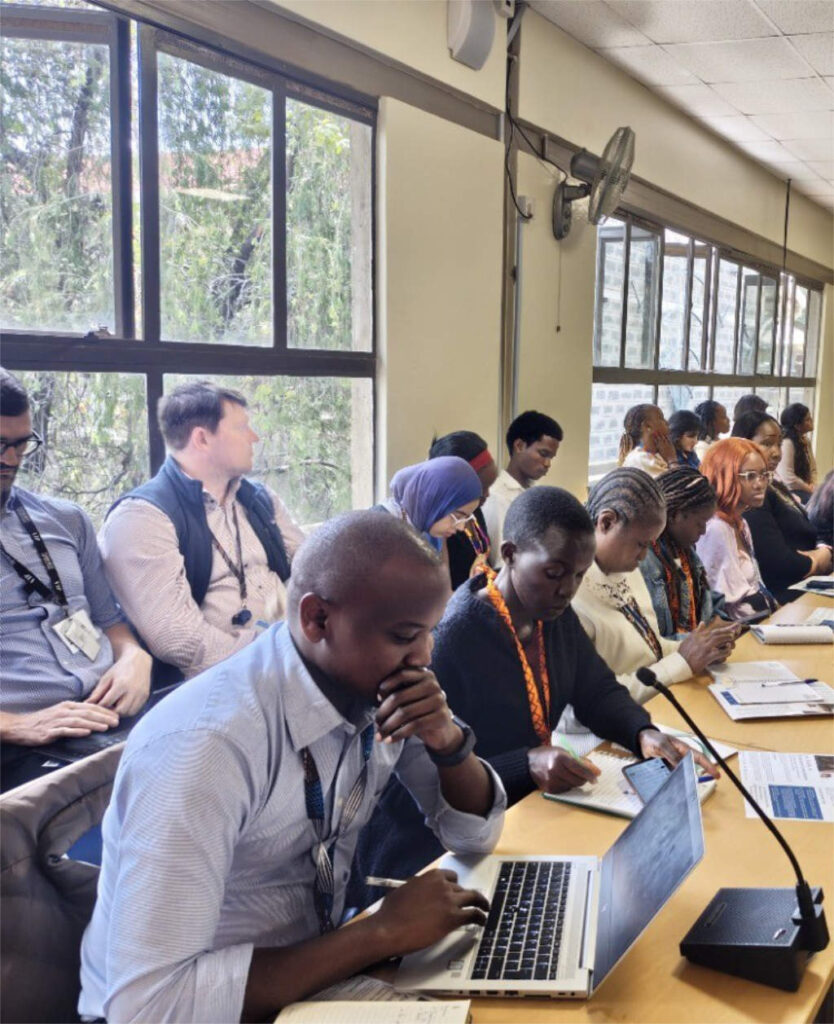
Beyond convening spaces, the Laudato Si’ Movement also contributed substantively to technical and policy discussions at UNEA-7. I participated under the Laudato Si’ Movement in supporting African civil society and government positions that strongly oppose solar geoengineering and Solar Radiation Modification (SRM) technologies. This engagement focused on highlighting the serious environmental, ethical, and geopolitical risks associated with SRM, including its potential to delay urgently needed emissions reductions, disrupt fragile ecosystems, and undermine African sovereignty.
The intervention called for an international Non-Use Agreement to prohibit the deployment, experimentation, and commercialisation of SRM technologies. This position reflects African leadership grounded in climate justice, the protection of natural resources, and a firm resistance to technological “solutions” that risk deepening global inequalities or triggering new ecological and geopolitical crises. As emphasised in these discussions, Africa must not become a testing ground for unproven and potentially harmful technologies driven by external interests.
Taken together, these engagements at UNEA-7 highlight the growing and increasingly influential role of African faith groups in shaping environmental discourse. Through convening spaces, policy advocacy, and moral witness, the Laudato Si’ Movement and its partners continue to affirm that responses to the environmental crisis must be rooted in justice, precaution, and deep respect for both people and the planet. The collective African faith voice remains a clear and urgent call to protect our environment and safeguard the future of generations to come.
For further engagement, the LSM Africa Secretariat can be reached at [email protected].