A reflection on our recent Africa-Europe Advocacy Gathering, November 25, 2025
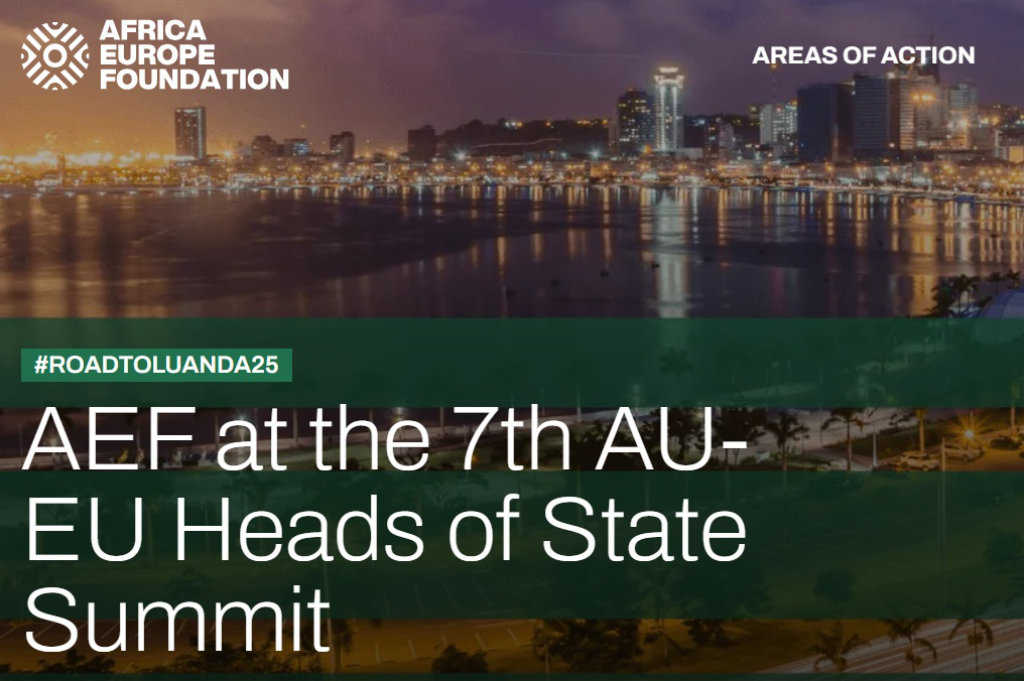
As the African Union–European Union Summit convened in Angola this 24-25 November, Laudato Si’ Movement’s advocacy groups and partners from across two continents gathered online to weave threads of solidarity, hope, and shared purpose.
The partnership between Africa and Europe stands at a crossroads. From the mineral-rich Congo Basin to the renewable energy transitions reshaping East Africa, the decisions made today will echo through generations. This is why our gathering brought together voices from France, The Netherlands, Ireland, Austria, Germany, UK, Belgium, Spain, Kenya, Nigeria, South Sudan, Burundi, Rwanda, Zimbabwe, Algeria, Congo Brazzaville, and the Democratic Republic of Congo, representing not only Laudato Si’ Animators but also partners like SECAM, Misereor, CIDSE and members of LSM’s European and African advocacy groups.
Listening to the frontlines
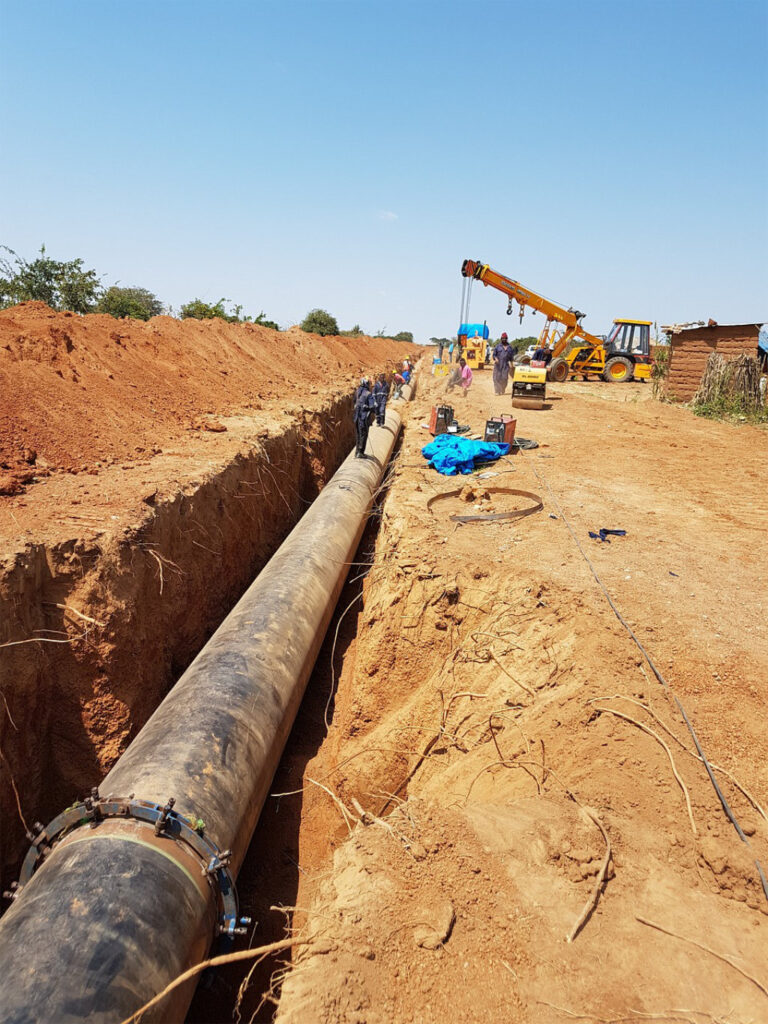
One of the most powerful moments came through a testimony from Uganda, shared by a grassroots circle fighting the East African Crude Oil Pipeline (EACOP). Though we cannot share this video publicly for security reasons, its message resonated deeply: the 1,445-kilometre pipeline threatens to displace thousands of families, endanger water sources that 40 million people depend on, and tear through precious biodiversity hotspots home to elephants, lions, and chimpanzees.
A joint call for justice
Our gathering built upon the growing collaboration between SECAM (Symposium of Episcopal Conferences of Africa and Madagascar) and COMECE (Commission of the Bishops’ Conferences of the European Union). On November 10th, these bodies – alongside Caritas Africa, Caritas Middle East and North Africa, Caritas Europa, and CIDSE – issued a joint statement addressing critical challenges in energy partnerships, the Global Gateway initiative, food systems, and debt (read full statement here). Their message was clear: “For Europe-Africa partnerships to truly serve integral human development, we must move from extractivist energy deals to fair partnerships that ensure local communities benefit from renewable energy and mineral production”.
Fr. Uchechukwu Obodoechina, Deputy Secretary General at SECAM, offered a moving “reflection from two shores,” reminding us that true partnership requires listening from both sides. He discussed how the relationship between Africa and Europe has been ongoing for 25 years and how it is essential to review the intentions and challenges of this relationship. He also discussed how the relationship should be mutual with “mutual respect and dignity and a shared responsibility for our common home”.
Fr. Eduardo Agosta Scarel, from the Spanish Episcopal Conference, reporting on the COP30, shared that “The ‘cry of the poor’ is qualitative, moral, and human. The language of corporations is quantitative, legal, and financial.” And while COP30 disappointed many – failing to set clear dates for fossil fuel phase-out – he reminded, there were glimmers of hope:
- A political signal to triple adaptation finance by 2035
- The “Global Implementation Accelerator” to help countries move from planning to action
- Colombia and the Netherlands announced that they would co-host the First International Conference for the Phaseout of Fossil Fuels in April 2026 in Santa Marta, Colombia
Jane Mellett, from Trocaire, shared Ireland’s inspiring journey on divestment and the Fossil Fuel Non-Proliferation Treaty, showing how the Catholic Church can lead by example; and Selina Wiredu from Misereor highlighted the parallel People’s Summit in Luanda, organized because civil society voices weren’t adequately represented in official spaces.
This gathering reminded us that we are not alone. From the green hills of Ireland to the vibrant communities of Kenya, from the industrial heartlands of Germany to the frontlines in Uganda, we are united in our commitment to integral ecology and ecological conversion.