





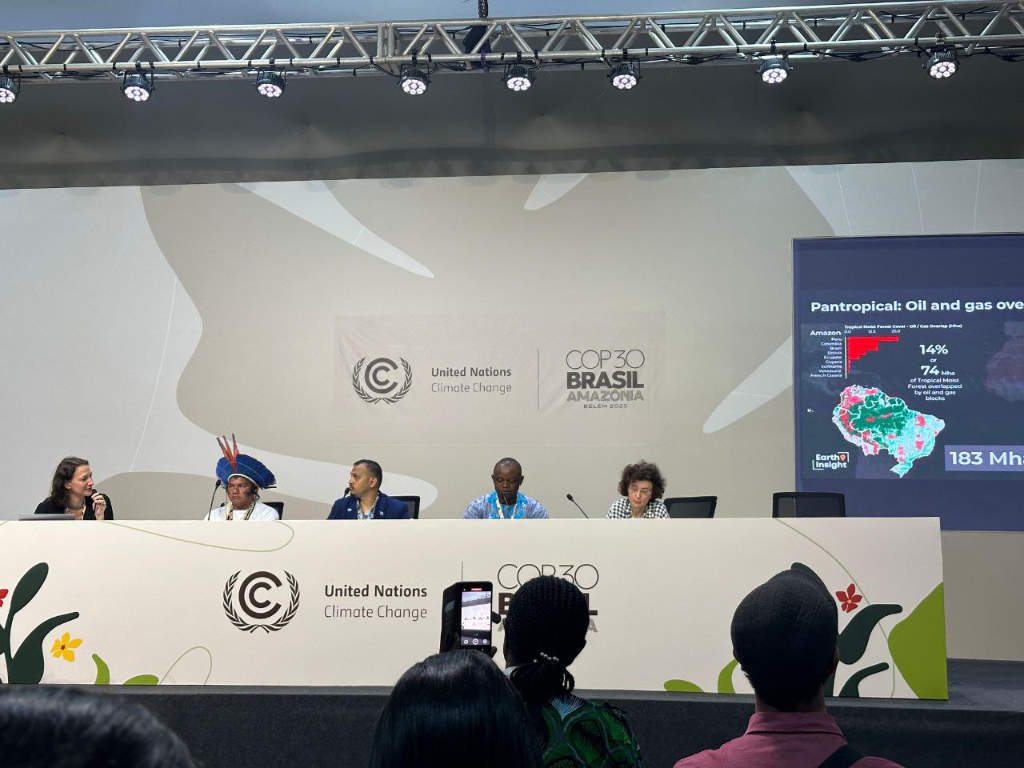
At COP30 in Belém, faith voices offered a powerful reminder of what is truly at stake in the climate crisis. Among them was Bishop Leonard, who joined civil society organisations, Indigenous leaders, and climate advocates at a press conference urging world leaders to make COP30 the moment when the world finally begins to end its dependence on fossil fuels. The message was clear: a just, equitable, and well-financed transition is not optional; it is the only path that honours both people and the planet.
The speakers emphasised that, despite the COP28 agreement to “transition away from fossil fuels,” global progress has been slow and uneven. Communities most affected by climate impacts and extractive industries have seen little change, deepening the sense that multilateral climate negotiations are not delivering the urgent action needed. In this context, the press conference highlighted oil and gas exclusion zones as a concrete and meaningful step forward. These zones would prohibit new fossil fuel extraction in ecologically sensitive areas. They would be supported by financial contributions from developed countries, acknowledging the principle that those who caused the crisis must carry their fair share of responsibility.
By pointing to the Amazon, the Congo Basin, and the Pacific Islands, speakers underscored that some ecosystems are so vital that protecting them becomes a global obligation. These regions symbolise both the fragility and resilience of creation, and their protection would strengthen international trust at a time when many communities feel left behind. Safeguarding such areas would also show that governments are ready to move from promises to action, aligning global policy with the scale and urgency of the climate emergency.
Bishop Leonard offered a strong moral message that grounded the technical discussions in faith and justice. He shared: “The Church must be a moral compass in this moment, guiding the world towards a global pact for life rooted in justice, compassion, and protection of sacred ecological zones. We must declare clearly that opening new oil and gas fields, especially in ecologically sensitive zones such as the Congo Basin, is incompatible with caring for God’s creation. The Church calls on leaders to adopt oil and gas exclusion zones as a concrete step. These zones must be supported by real finance from developed countries, because justice demands that those who caused the crisis carry their fair share.”
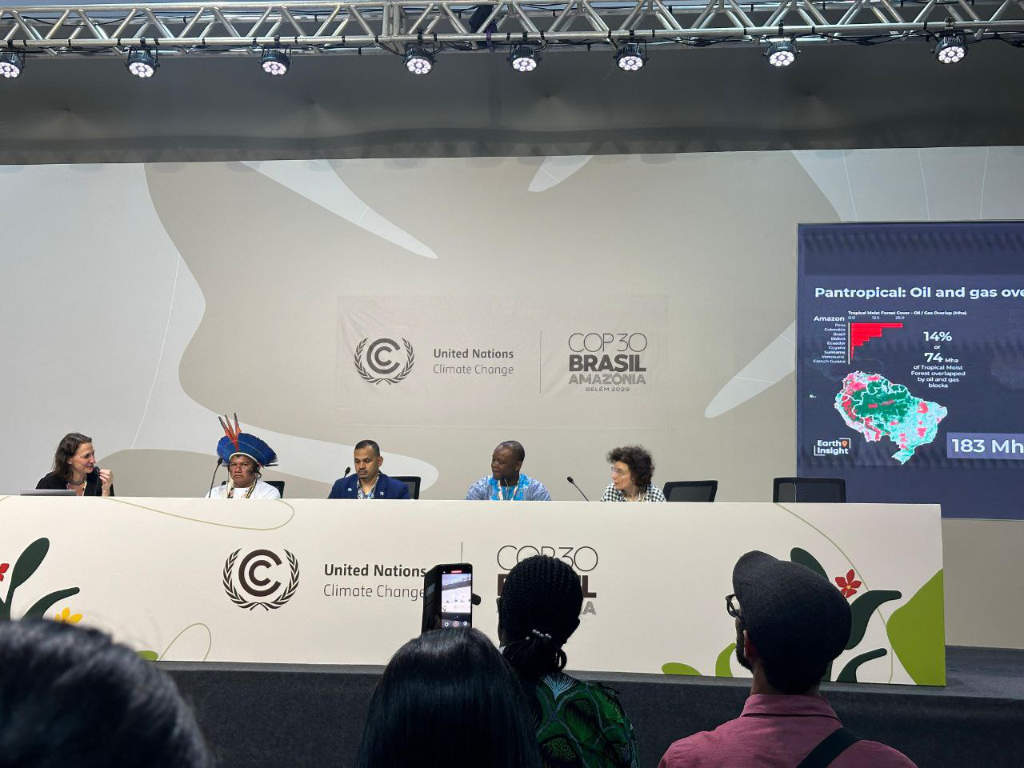
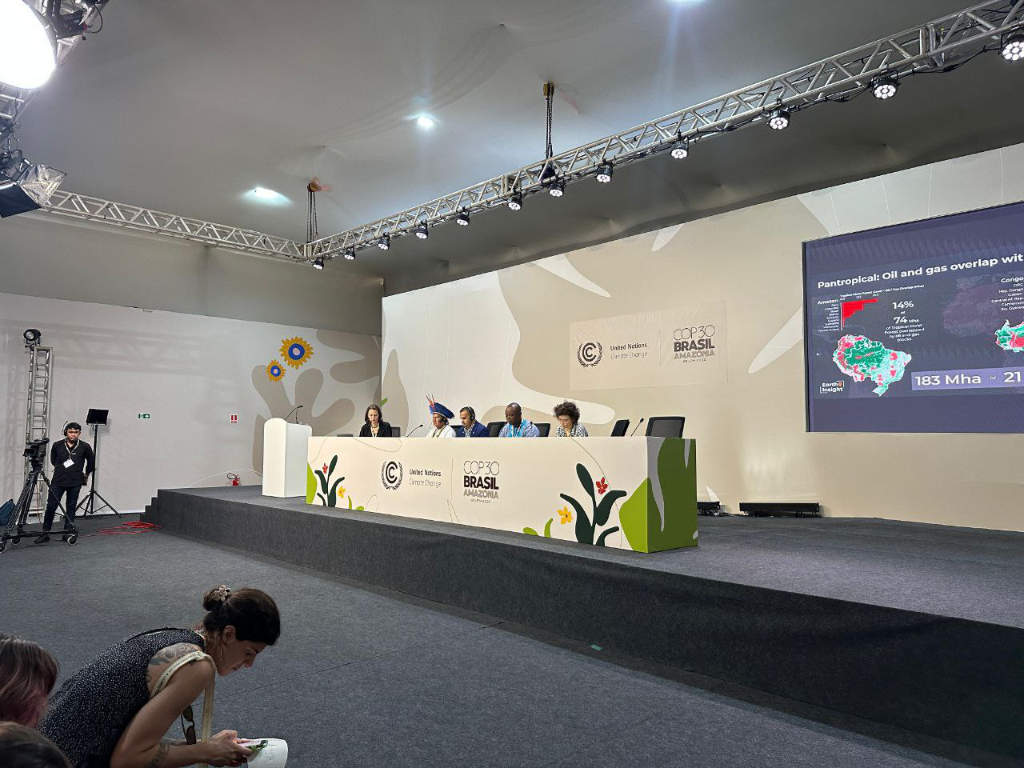
His words resonated with many in attendance, especially frontline community members who continue to experience the daily harms of extractive industries. The bishop’s intervention reaffirmed that climate change is not simply a technical or economic issue; it is a moral challenge that crosses borders and requires courage, compassion, and accountability. It also underscored that the Church plays a vital role in offering clarity, hope, and moral direction when political processes stall or fall short.
Although COP30 concluded in November; this moment stands as a reminder that faith communities are essential partners in shaping a future rooted in dignity and care for creation. The call for exclusion zones, justice-based financing, and a truly just transition reflects both the urgency of the crisis and the deep belief that a better, more humane path forward remains possible if leaders are willing to act.