




By: Gloria Munyiva Wambua
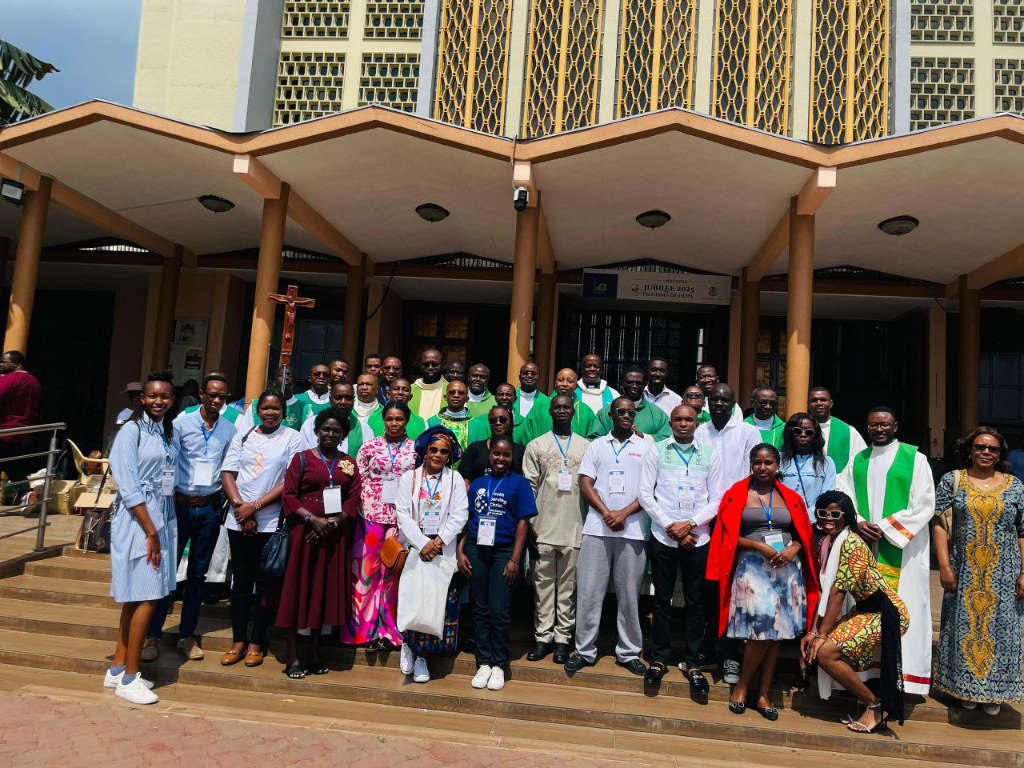
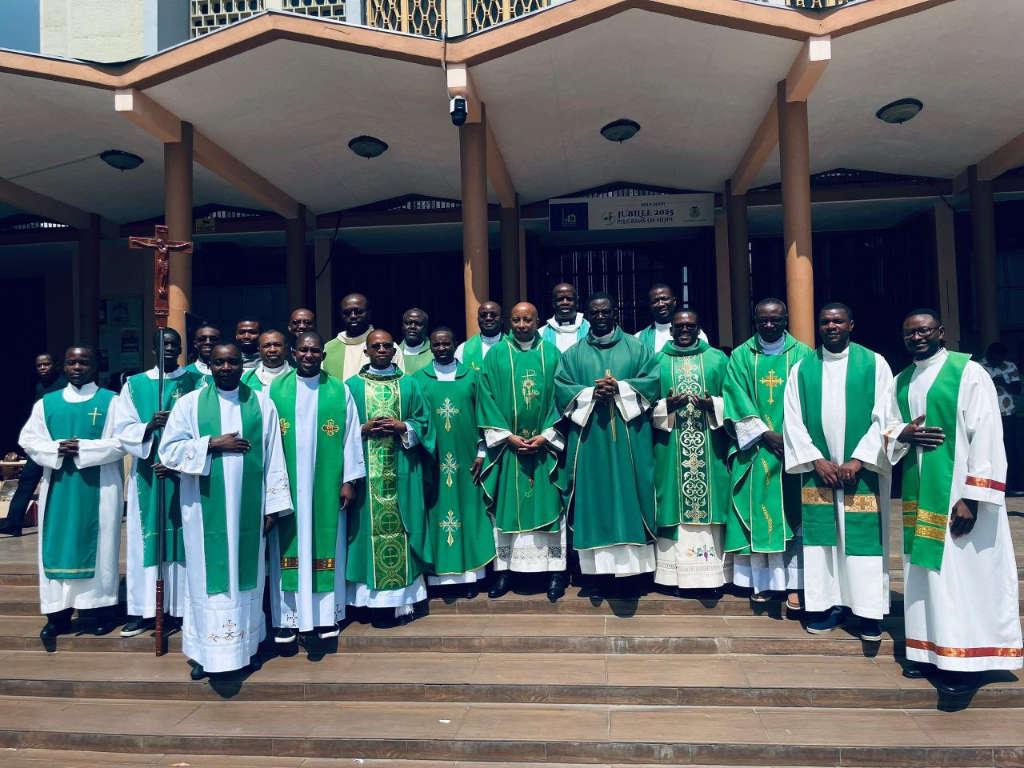
This was a meaningful gathering that highlighted care for our common home as an essential part of the Church’s mission in Africa today. From the outset, the seminar affirmed that ecological responsibility is not a separate concern, but a central expression of faith, justice, and discipleship.
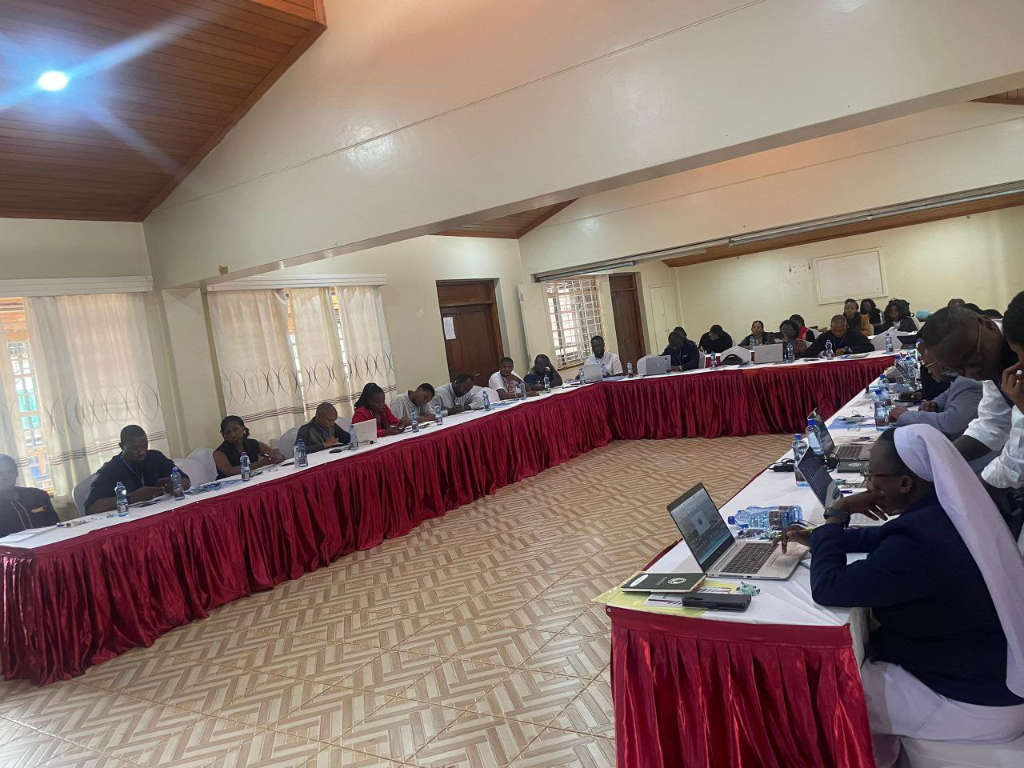
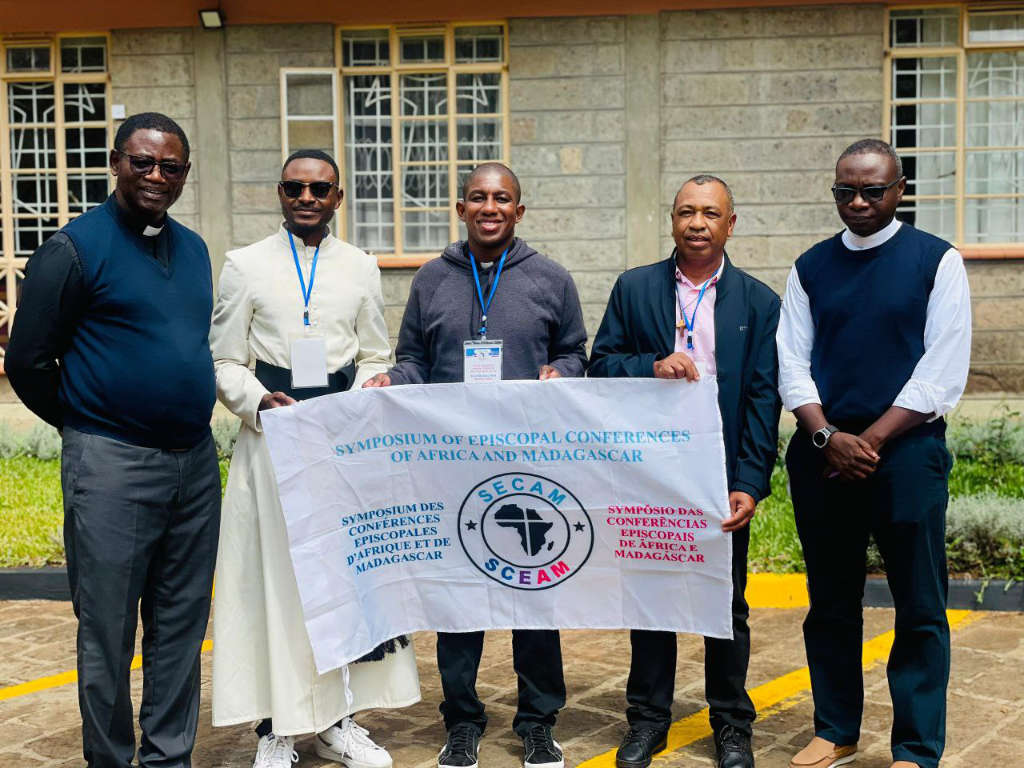
The first day of the gathering opened with prayer and welcome, setting a reflective and participatory tone for what became a deeply engaging space for young people from across regions. After introductions, participants were formally welcomed by Fr Florence from AMECEA, followed by remarks from the hosting youth leadership in Kenya. Fr Alfred then offered opening reflections and an orientation to the seminar, grounding participants in SECAM’s broader mission and structure and outlining expectations for the days ahead.
A defining moment early in the seminar was the affirmation that care for our common home is now the sixth pillar of the SECAM report, adopted at the recently concluded Kigali conference. This recognition marked a significant milestone for ecological justice within the Church in Africa. In this context, the Laudato Si’ Movement was recognised by SECAM as a vital instrument for advancing the Church’s mission of faith across the continent, particularly in responding to the climate and ecological crisis. Speakers emphasised that young people are not only the Church of the future but also the Church of the present, with a central role in shaping this mission.
The keynote address by Fr Zephrine Mousse outlined the vision of the Youth Apostolate within SECAM’s long-term framework for 2025 to 2050. He spoke of young people as co-builders of the Church’s life and mission, rather than passive recipients of programmes. His reflections sparked meaningful dialogue and reinforced the importance of equipping youth with both spiritual depth and practical tools to engage the realities of their communities.
Sr Adelide Ndilu then led a session on youth and synodality, tracing the synodal journey initiated by Pope Francis in 2021. She highlighted how synodality invites the Church to walk together, listen deeply, and share responsibility across generations and vocations. The inclusion of women with voting rights in the Synod process was presented as a sign of meaningful transformation, resonating strongly with participants who expressed a desire for a more inclusive and listening Church.
Group discussions followed across English, French, and Portuguese language groups. Despite the diversity of national contexts, participants raised remarkably similar priorities. There was strong consensus on the urgency of caring for Mother Earth, with calls for deeper ecological awareness, renewable energy advocacy, and concrete action inspired by Laudato Si’. Regional blocs, including RICOWA, shared their intention to celebrate the anniversary of Laudato Si’ annually as a way of sustaining long-term commitment to ecological conversion within Church life.
Another important highlight was the reflection on methods for animating the Biblical apostolate. Participants explored how Small Christian Communities can become spaces where Scripture is shared in direct conversation with daily-life challenges, including corruption, family struggles, unemployment, justice, and reconciliation, drawing inspiration from Ecclesia in Africa (September 1995, no. 85).
This approach was further strengthened by the call to link the Word with action, encouraging concrete expressions of faith through caring for the poor, protecting the environment, and promoting peace. As one reflection reminded participants, quoting James 1:22, faith calls us to “be doers of the word and not hearers only.”
The first day concluded with a shared sense of urgency and hope. Participants recognised that responding to the ecological crisis is inseparable from evangelisation, justice, and peacebuilding. The discussions affirmed that young people across Africa are ready to lead, grounded in faith and committed to action. Day One laid a strong foundation for the days ahead, rooted in synodality, ecological responsibility, and a renewed call to care for our common home as a defining dimension of the Church’s mission in Africa.